2007 — 2026©
(Los Angeles, CA)
Hi, I'm Kate
Senior Product Designer focused on e-commerce, growth, and conversion for DTC brands, subscription products, and digital marketplaces. I design scalable, conversion-driven experiences that combine UX strategy, business logic, and data-informed decisions.
Top skills
Product Design
Saas/MVP
Branding
Growth Design
E-commerce
Digital Product Design
Tools
Figma
Sketch
Adobe CC
HTML, CSS
Google Analytics
Hotjar
Shopify
WordPress
AI Tools
Graphic design
Professional photography
Video Production
2007 — 2026©
Jung’s 6 rules for e-commerce design
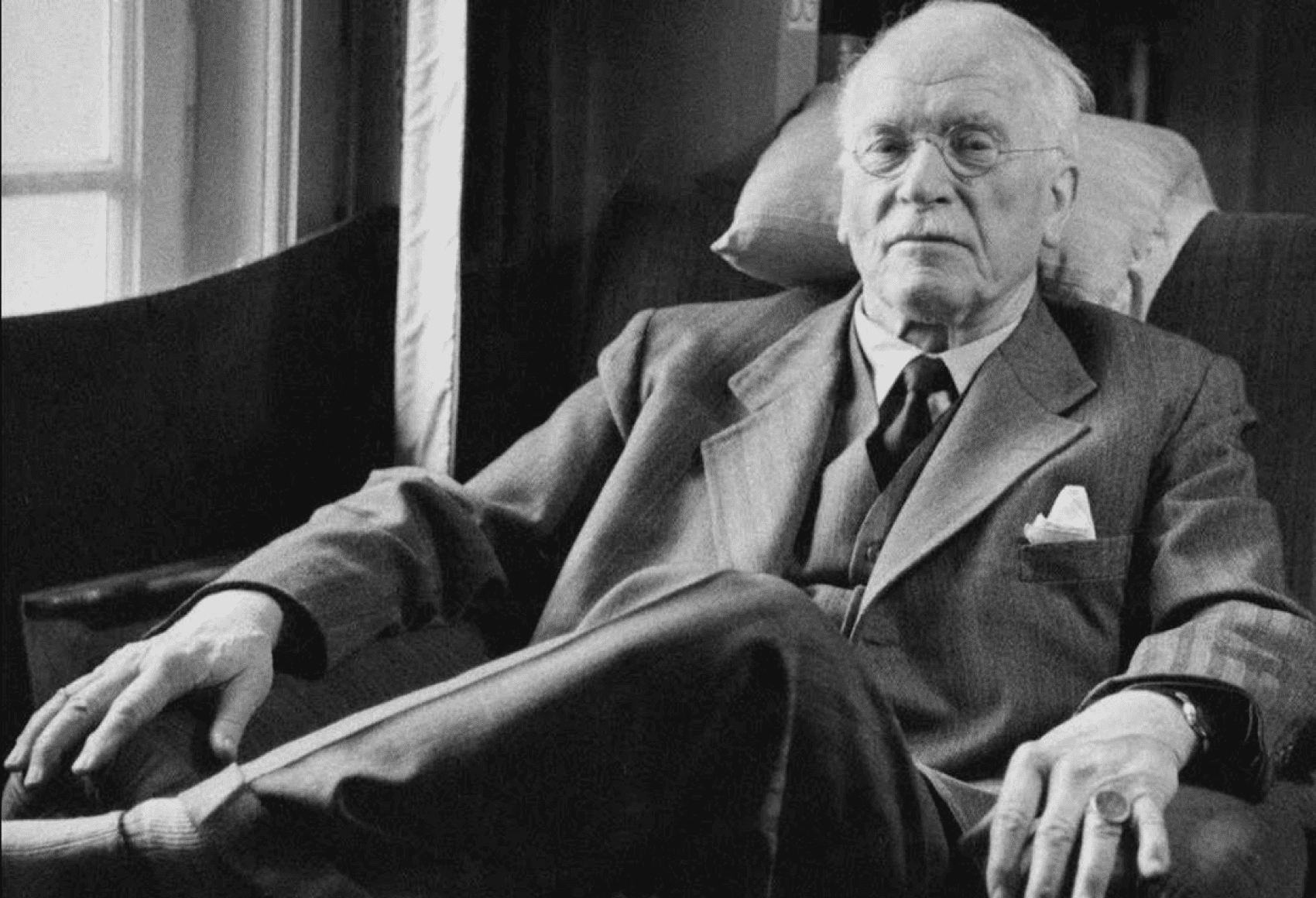
Most “UX advice” for e-commerce is about screens and patterns. But conversion breaks not in the UI, but in the psyche: when a person loses meaning, control, or trust and goes into defense.
Jung didn’t write about digital, but he offered precise constructs explaining how the psyche builds meaning, reacts to uncertainty, and makes choices. If we translate this into e-commerce, we get a framework for designing the journey: the symbolic function, archetypes as cognitive schemas, defense/complexes, persona/identity, and reducing uncertainty as work with anxiety.
Symbolic function: the user reads “meaning” before facts Jung described the symbol as a bridge between the conscious and the unconscious. In UX this means: typography, density, rhythm, photo language, tone of text, micro-interactions — this isn’t “beauty,” it’s meaning signals.
The psyche decides in seconds: safe/unsafe, premium/cheap, clear/chaotic. Practical takeaway: the symbolic language must be consistent across the entire funnel. Premium visuals + aggressive pop-ups/timers in the cart = a meaning crack → mistrust.
Archetypes as cognitive schemas: the psyche needs a fast “type of world” An archetype in Jung is a universal template of experience. In e-commerce it’s the “rules of the game” that the user instantly assigns to the store: “they help you choose here,” “they pressure you here,” “everything is rational here,” “this is about status,” “this is about care.”
An archetype is useful not as a character, but as a way to align decisions. If the promise is rational choice, you need comparisons, clear SKU differences, “if X — choose Y” logic. If the promise is care, you need simple steps, support, guarantees, minimal overload. If the promise is curated premium, you need selection, quiet, and no “cheap” triggers.
Key point: the schema must not change between home → PLP → PDP → cart → checkout.
Defense and complexes: where conversion dies A complex in Jung is an emotional knot that gets activated and takes over behavior. In online stores it’s the moment when the user stops choosing and starts defending.
Typical triggers
The UX task is not to “add trust,” but to remove the trigger with a specific tool: transparency, predictability, explainable choice logic, control in the user’s hands.
Persona and identity: the user buys a role and confirmation of “who I am” Persona in Jung is a social role. In e-commerce the user acts as “I’m rational,” “I know what I’m doing,” “I don’t fall for it.”
If the interface makes them feel helpless or pressured, they will leave. Hence the principle: design must support the user’s dignity (clarity, respect for attention, honest terms). Identity is deeper: “is this for me or not.” On the PDP it’s important to give not slogans, but a structure of fit: who it’s for, which scenarios it works in, which preferences it supports, which trade-offs it removes.
Reducing uncertainty = working with anxiety (the most practical translation) Uncertainty increases anxiety → anxiety triggers defense → defense kills conversion. So conversion design is the design of removing uncertainty at the right points.
Main types:
— uncertainty of outcome (will it fit me, effect, size, “how it is in real life”),
— uncertainty of process (shipping, returns, what happens after payment),
— uncertainty of trust (who you are, whether reviews are real, contact),
— uncertainty of meaning (why this price, what’s different, why pay more).
A good #CJM must stabilize the state: return control, make meaning clear, reduce the risk of mistake.
Mini CJM template by Jung to apply in practice
Kate Kolody
Senior / Lead Digital Product Designer · E-commerce / DTC / Growth · Subscription / Shopify / Conversion