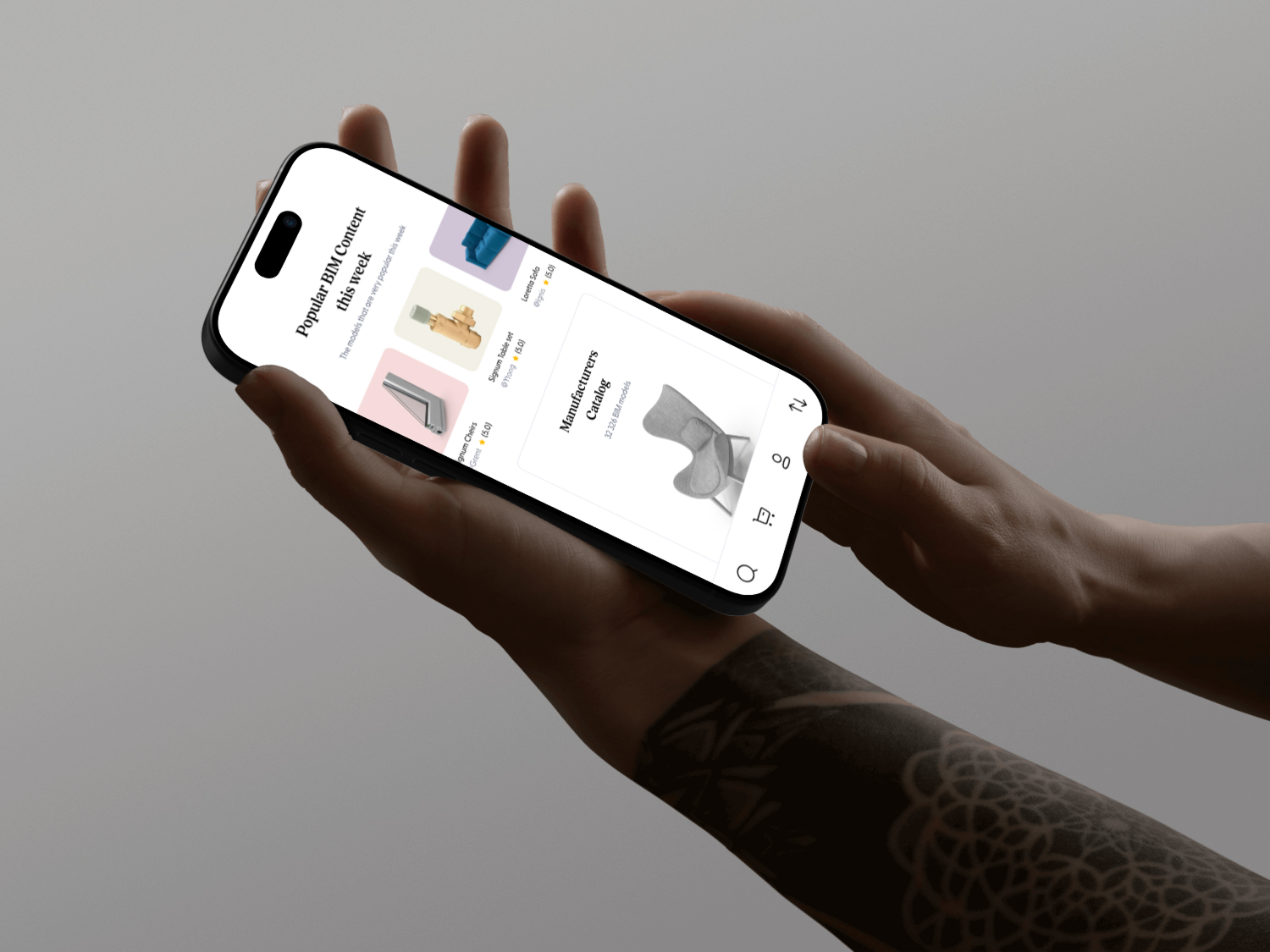
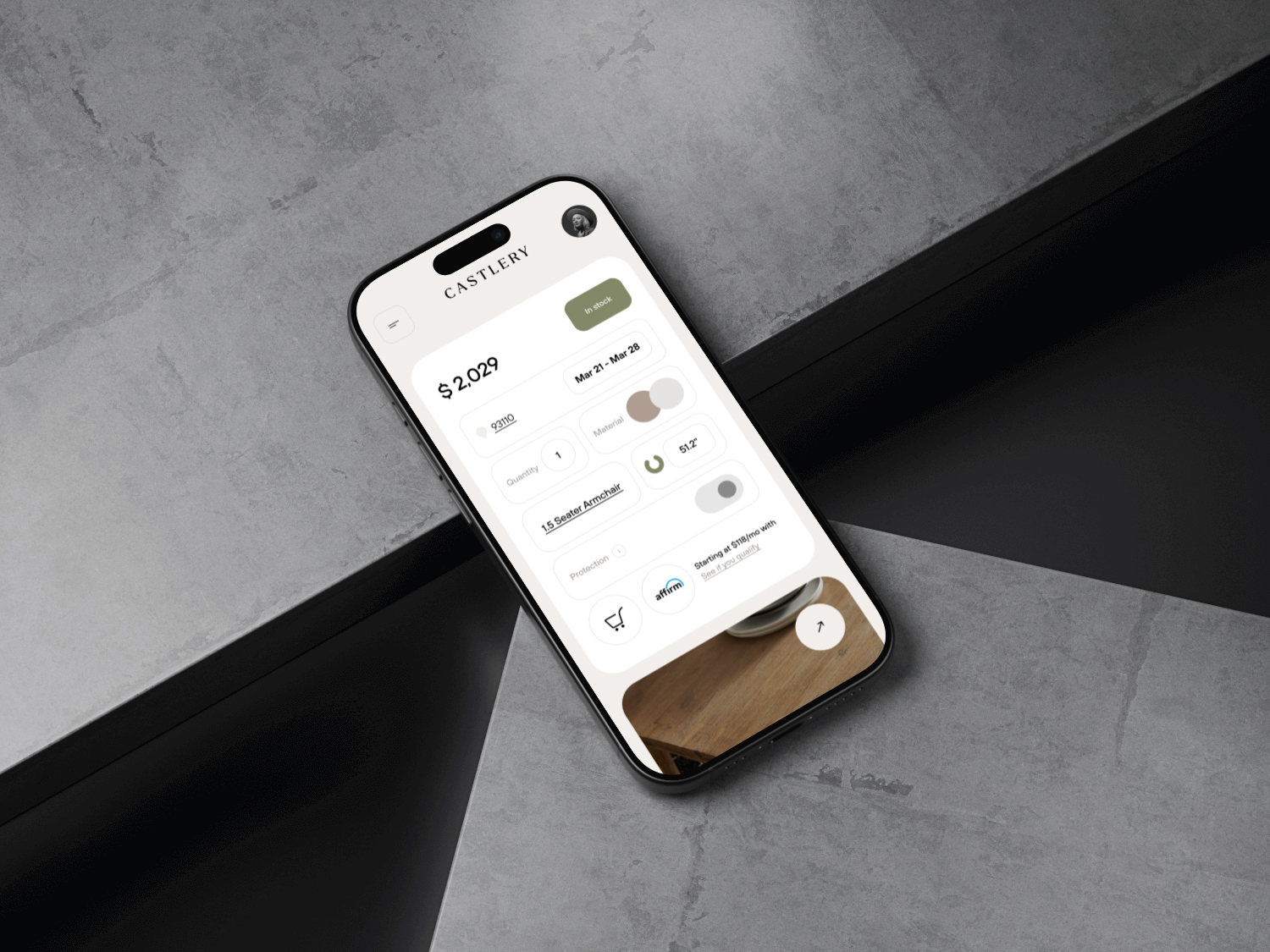
Tinder for fashion lovers
• 30%+ increase in time on site
How I repositioned Good Counsel into a luxury DTC brand and increased conversion by embedding demand validation directly into the product experience.
Context
Good Counsel is a fashion DTC brand operating on an atelier production model. The business faced a structural challenge: unclear product demand, fragmented navigation, and no reliable signal indicating what to produce, in what quantity, and why. The digital experience did not support confident purchasing or strategic production planning.
Problem
Users struggled with product discovery and differentiation across collections. The brand perception felt mid-market rather than premium. Production decisions were being made without validated demand signals, increasing operational risk. Conversion and engagement were limited by friction, choice overload, and a lack of structured guidance.
What I owned
As Senior Product Lead, I led the end-to-end product and UX strategy. I owned product discovery architecture, navigation logic, quiz-based interfaces, UX structure and content blocks, and all conversion-critical flows. I also designed the behavioral logic that connected user preferences to assortment and production decisions.
increase in time on site
increase in conversion rate
reduction in bounce rate
users shared structured preference data
Key decisions
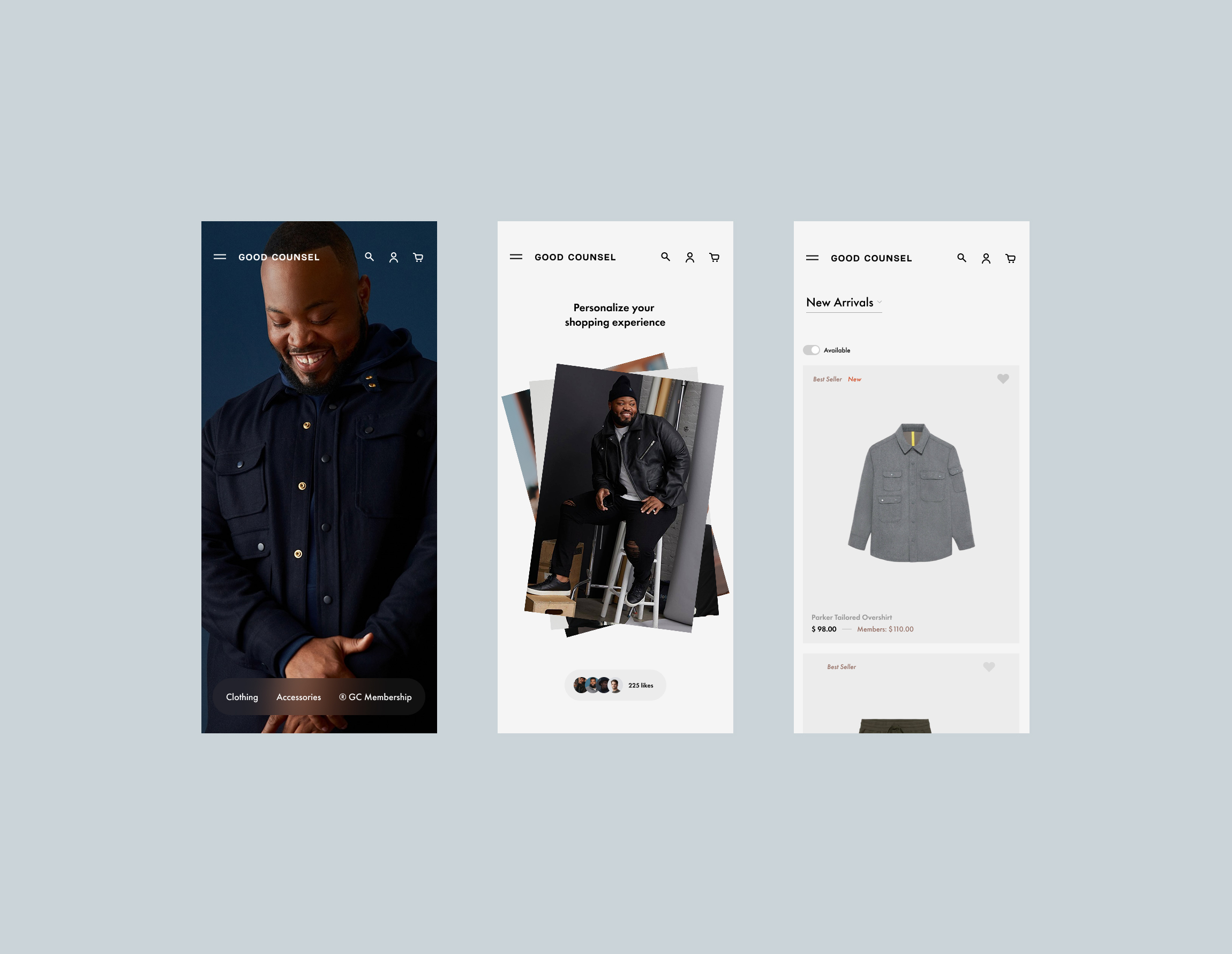
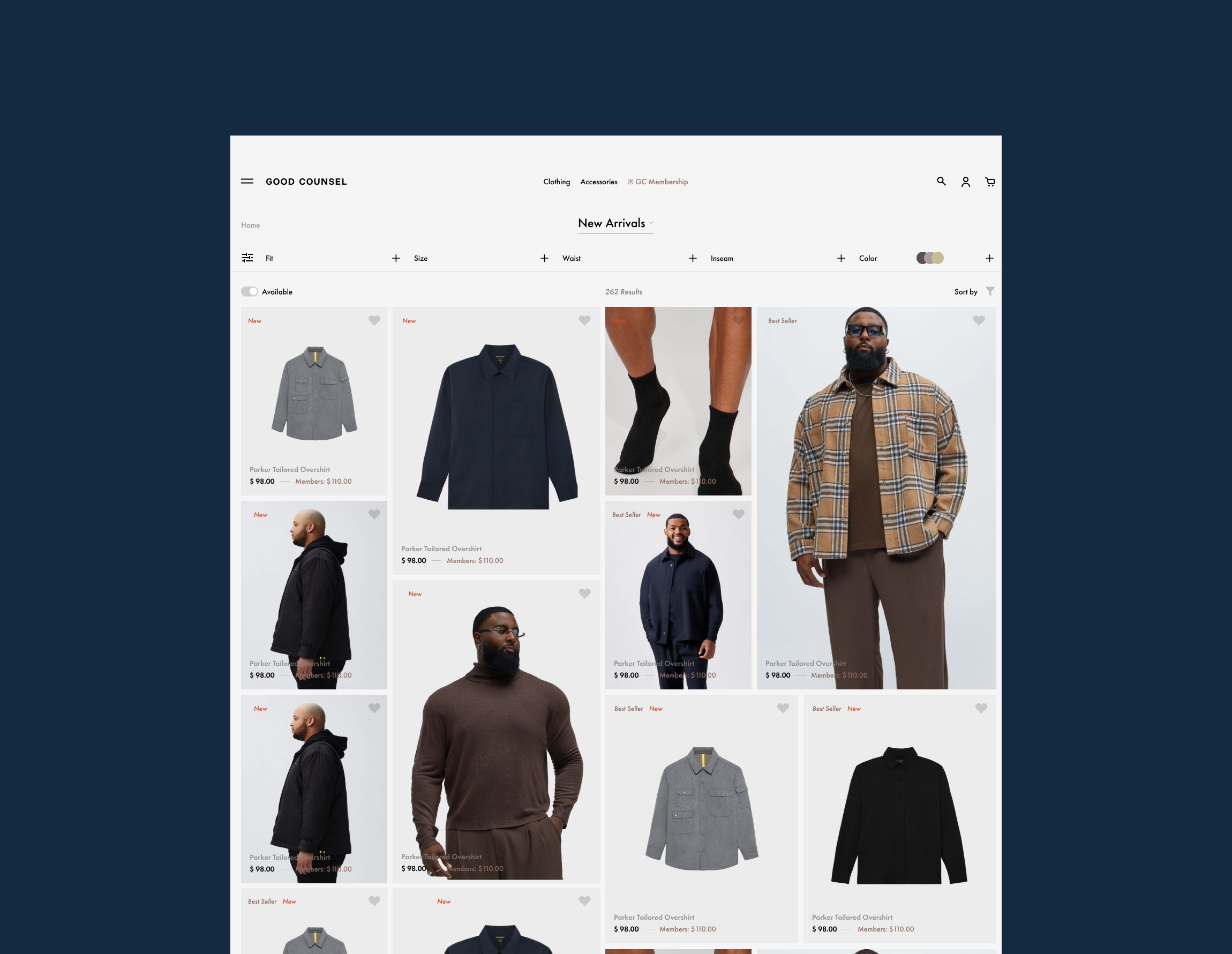
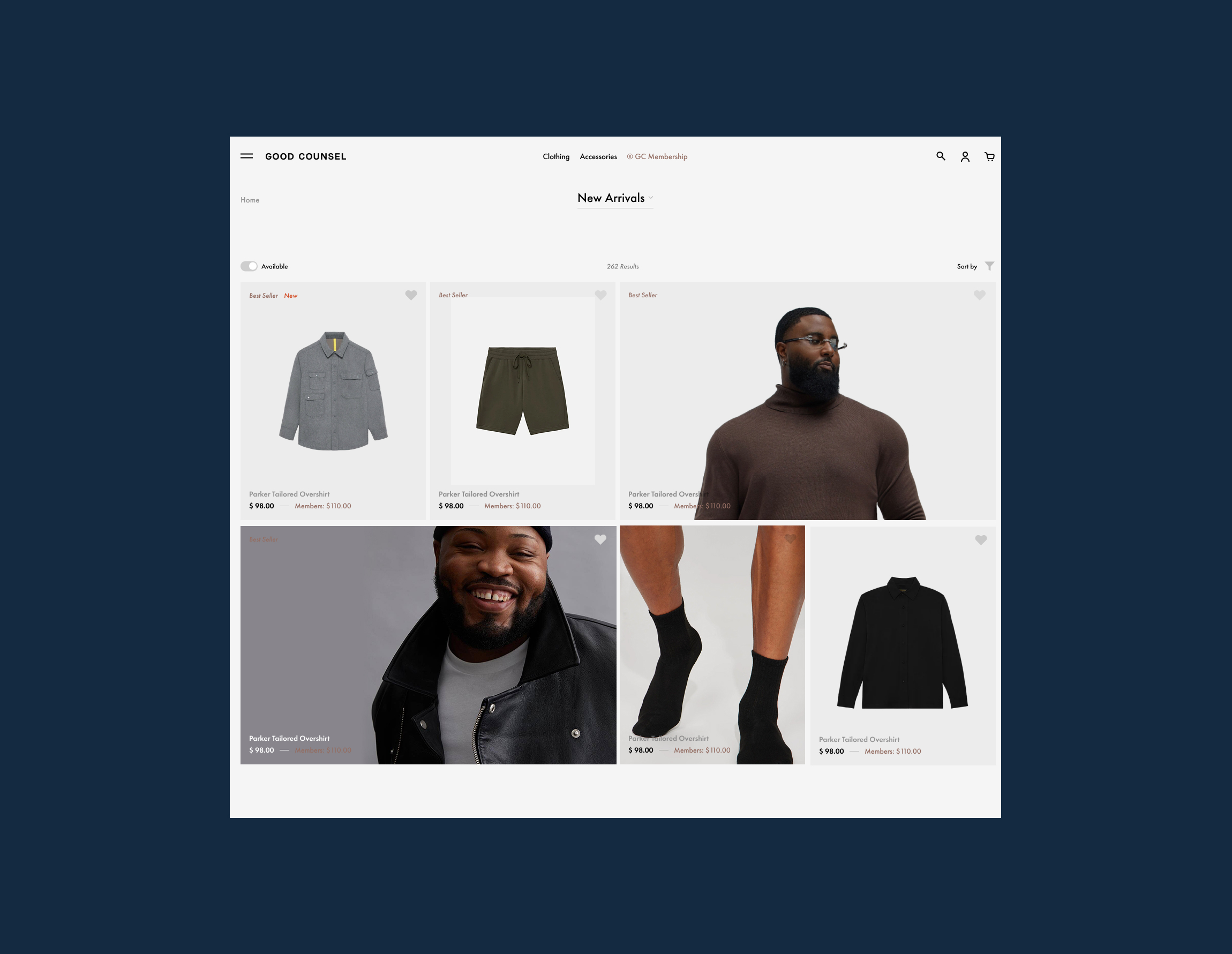
I introduced a quiz-driven product discovery layer to collect structured user preference data at scale. Demand validation was embedded directly into the interface before production decisions were made. I designed a “private club” experience to elevate perceived exclusivity and support luxury positioning. Navigation was simplified, cognitive load reduced, and the overall flow restructured to guide users through curated, intentional choices rather than overwhelming grids.
Outcome
Time on site increased by 32 percent and bounce rate decreased by 16 percent, indicating stronger engagement and clearer discovery paths. Conversion rate grew by 28 percent. Approximately 74 percent of users shared structured preference data, creating a reliable demand signal for production planning. Brand perception shifted from mid-market to a clearly positioned top-tier luxury segment, aligning digital experience with atelier craftsmanship.